The Rhythm of Reading: Why the Secret to Overcoming Dyslexia is in the Beat
Dyslexia can be commonly viewed as visual hurdles, letters jumping across a page, or a child flipping a ‘b’ into a ‘d’. For decades, the education system treated dyslexia primarily as a visual tracking issue, or a straightforward gap in letter-sound matching.
But modern auditory neuroscience is completely flipping this old model on its head.
We now know that for many neurodivergent learners, reading struggles do not start in the eyes. They start deep in the auditory cortex, tied to a surprising cognitive superpower: the brain’s internal sense of rhythm.
At Loujo, we track the intersection of brain science and learning closely. Let’s explore why the newest frontier in dyslexia support is less about looking at letters, and much more about feeling the beat.
The Brain’s Internal Clock
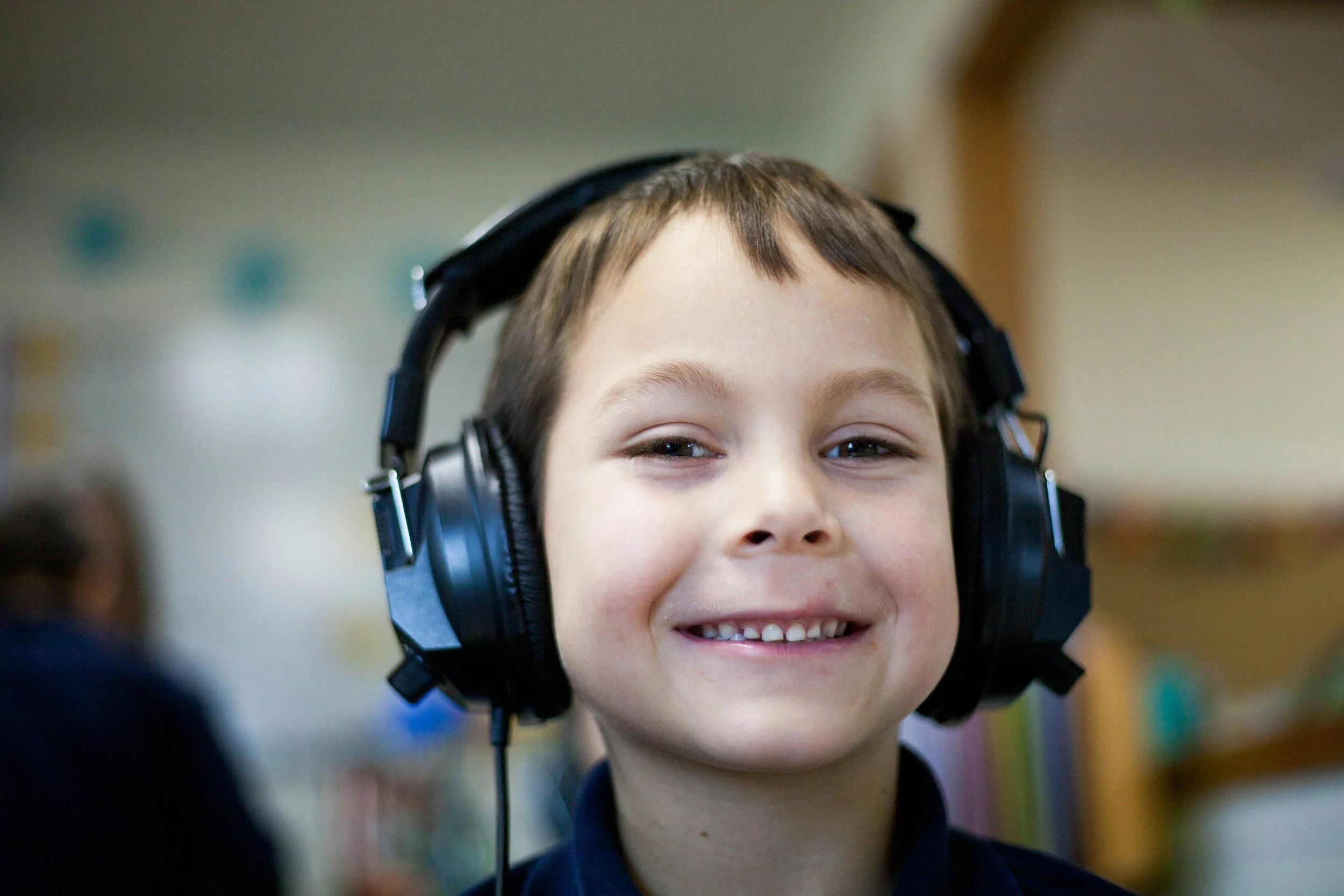
To understand why rhythm matters to reading, we have to look at how speech works. Spoken language is not a continuous, flat stream of sound. It is a highly rhythmic dance of stressed syllables, natural pauses, rising intonations, and micro-moments of silence.
When a neurotypical brain listens to someone speak, its neural networks automatically synchronise with the speaker’s voice. This is called neural entrainment. The brain uses low-frequency brain waves (specifically delta and theta waves) like an internal metronome to predict exactly when the next syllable or vowel change will hit.
In many dyslexic individuals, research shows that this internal metronome ticks slightly out of time.
The Structural Breakdown: If the brain cannot lock onto the rhythmic macro-structure of spoken language, it struggles to slice that stream of sound into neat, predictable segments.
If a child cannot clearly isolate the rhythmic boundary of a syllable in speech, mapping that syllable to a static, written letter on a page becomes an immense cognitive chore.
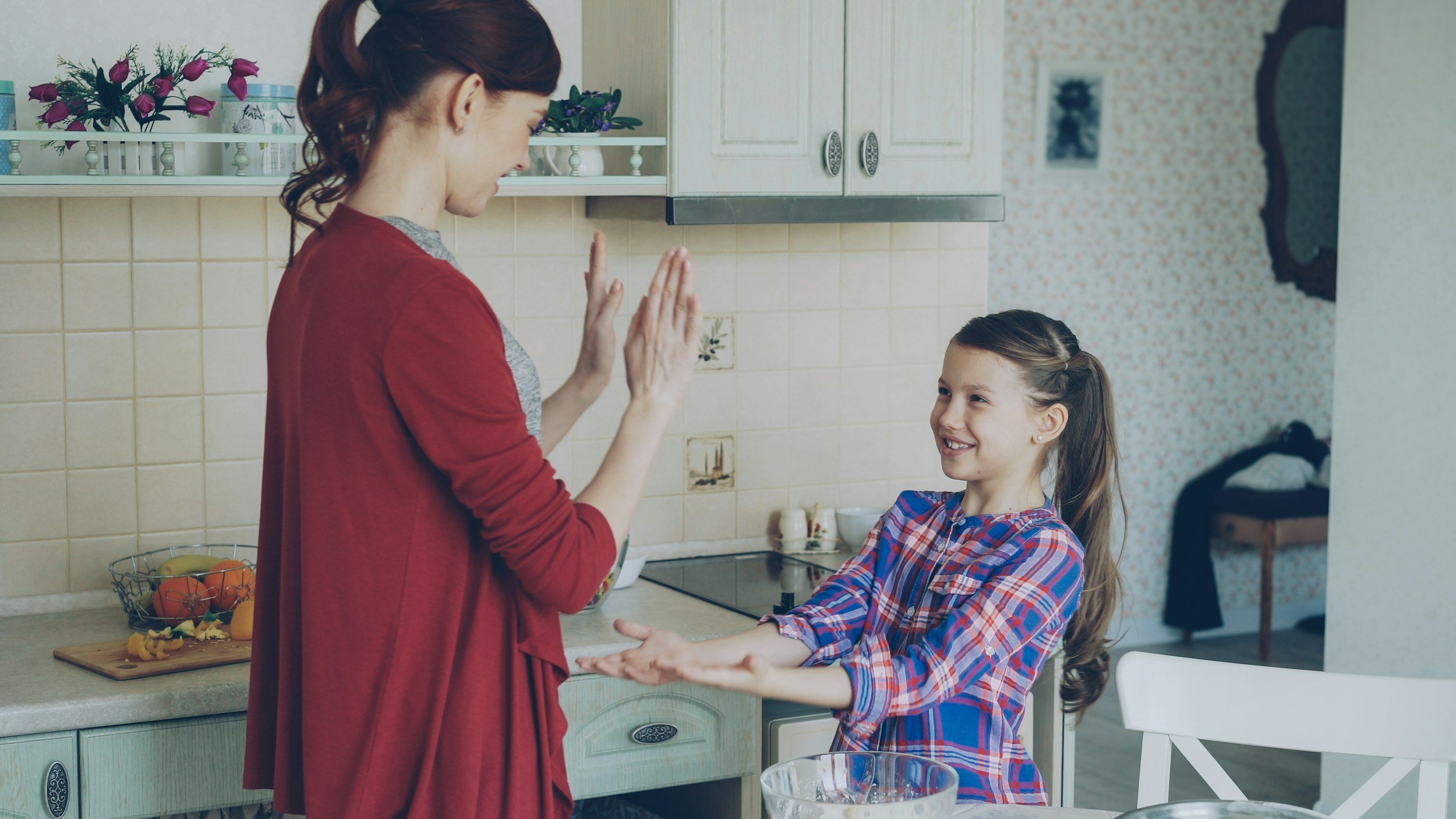
Clapping of hands to the rhythm
Tracking the Evidence: Clapping to the Beat
This is not just theoretical physics, the real-world correlation is stark. Neuroscientists at the University of Cambridge and various global literacy labs have shown that a child’s ability to tap their finger or clap their hands to a steady musical beat is a direct, highly accurate predictor of their reading and phonological awareness.
When words are stripped of their natural cadence, reading becomes mechanical, exhausting, and completely detached from the joy of narrative. The child expends so much cognitive energy trying to decode individual fragments that they have zero mental bandwidth left to actually comprehend what the sentence means.
Inclusive by Design: Putting Rhythm into Tech
Acknowledging the rhythm-language connection changes everything for educators, parents, and software developers. It means that the most effective way to help a child decode text is often to step away from traditional text-heavy phonics worksheets and engage their ears and bodies first.
This science is a foundational pillar of how we approach cognitive engagement at Loujo. By moving away from rigid, linear text boxes and moving toward multisensory, audio-supported, and adaptive learning environments, we can help children rebuild these crucial timing networks.
What Rhythm-Infused Learning Looks Like:
Acoustic Amplitude Tracking: Using software that slightly emphasizes the natural, rhythmic "stress peaks" in spoken audio to give the brain a clearer structural map.
Multisensory Pacing: Pairing visual text movements directly with auditory cadence, ensuring that eyes and ears are perfectly synchronized.
Gamified Syllable Bundling: Treating words like musical bars, breaking them down into rhythmic beats that a child can see, hear, and interact with seamlessly.
Tuning into Potential
Dyslexia is not a deficit of intelligence; it is a variation in processing speed and timing. When we stop viewing it as a visual defect and start recognizing it as a unique rhythmic profile, we can design tools that don’t just help children cope—but help them thrive.
By building technology that speaks the brain’s natural, rhythmic language, we can turn the uphill climb of literacy into something that feels entirely intuitive, engaging, and beautifully in tune.