Beyond the "Literacy Wall": Why Music is the Secret Weapon for Dyslexic Learners
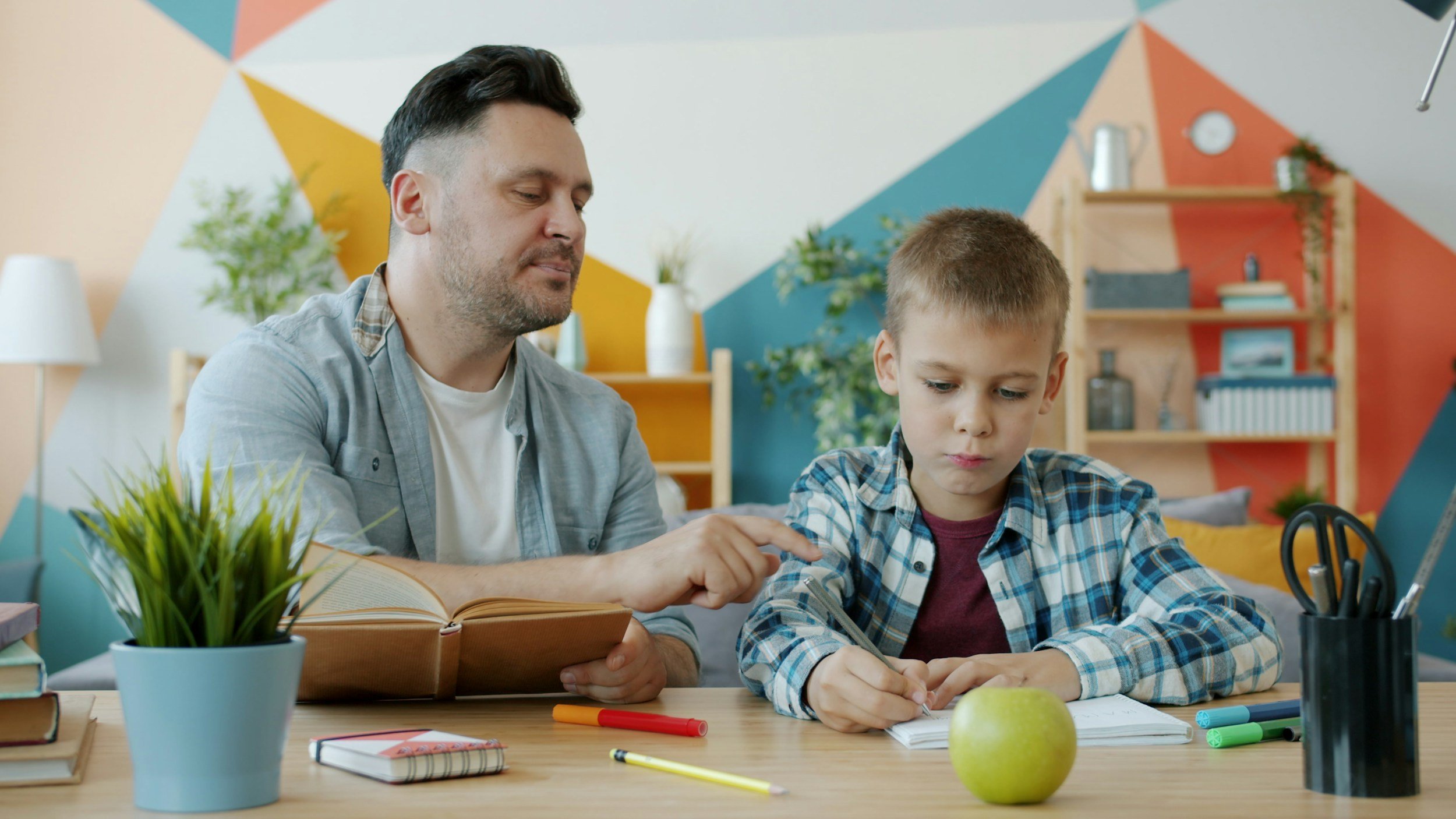
For many parents of neurodivergent children, the "literacy wall" is a very real, very exhausting place. It’s that moment during homework where the letters start to swim, the focus fades, and the frustration peaks. You know your child is bright, curious, and capable, but traditional textbooks and worksheets feel like they were written in a language your child’s brain isn’t designed to speak.
If this sounds familiar, you aren’t alone. And more importantly—it’s not your child’s fault.
At Loujo, we’ve spent years looking at the neuroscience of how dyslexic and neurodivergent brains process information. What we found is a powerful, often overlooked solution: Music.

Why the Brain Prefers a Beat
Traditional learning relies heavily on linear processing—reading a sentence from left to right, holding it in short-term memory, and moving to the next. For a child with dyslexia, this process is high-effort and low-reward.
Music, however, uses multisensory processing. When a child learns a curriculum topic through a song, their brain is doing several things at once:
Rhythm & Patterning: The brain loves predictable patterns. Rhythm acts as a "scaffolding" for information, making it easier to predict and store.
Emotional Anchoring: Music triggers the release of dopamine. When a child enjoys what they’re hearing, they are more engaged, and the "stress barrier" to learning drops.
Dual Coding: By combining a catchy melody (auditory) with lyrics (verbal) and often visuals (visual), the information is "double-saved" in the brain. If they forget the words, the melody often brings them back.
From "I Can't" to "I've Got This"
The biggest hurdle for neurodivergent children isn't a lack of intelligence; it’s a lack of confidence. When a child fails at a worksheet for the fifth time, they begin to label themselves as "not a school person."
This is where Loujo changes the narrative. Imagine your child needs to learn the digestive system or the kings and queens of England. Instead of a dry chapter in a book, they listen to a high-quality song created specifically for them. In 20 seconds, the "scary" topic becomes a catchy beat.
When they can hum the answers to a quiz, their confidence soars. They aren’t "struggling" anymore; they’re just learning differently.

3 Tips for Using Multisensory Learning at Home
If you’re looking to break down the literacy wall this week, try these simple shifts:
Turn facts into "Earworms": If your child is struggling with a specific set of facts, don't keep reading them. Use a tool like Loujo.ai to turn those exact facts into a song they can listen to on the way to school.
Move while learning: Encourage your child to clap, tap, or dance along to educational songs. Physical movement helps "lock in" the memory.
Low-Stakes Testing: Use automated, fun quizzes rather than formal tests. It takes the "fear of being wrong" out of the equation.
The Loujo Mission
We built Loujo because we believe that no child should be left behind simply because the medium of instruction doesn't match their brilliance. By working with neurodivergent cognition—using rhythm, melody, and repetition—we’re helping parents reclaim their evenings and helping children reclaim their love for learning.
Ready to hear the difference? Start your free trial at Loujo.ai and turn this week’s trickiest topic into your child’s new favorite song.