Dyslexic “must have” edtech before school term begins.
New term nerves hit differently when your child is dyslexic. Will the reading list feel impossible again this year? Will note-taking in class leave them exhausted before lunchtime? Will the things they learned in June be gone by September?
The good news: the right tools, used together, can cover the whole journey — from spotting dyslexia in the first place, right through to actually remembering what's been taught. Here's what to add to your back-to-school list.

1. Talamo — for identifying dyslexia early
You can't support a need you haven't identified yet, which is why screening comes first on this list. Talamo is a fully digital dyslexia screener built for schools, combining a 10-minute parent questionnaire with 45 minutes of interactive, game-like tasks covering reading, spelling, memory, and processing speed. Teachers and parents both get a personalised report explaining what's been found and what to do next — no specialist assessor required to administer it.
Founder Jamie Wace was himself diagnosed with dyslexia late — a common story, given that around 80% of dyslexic students leave school without ever being formally identified. That gap is exactly what Talamo was built to close: in trials across 1,400 children and 18 partner schools, the screener showed a 94% accuracy rate, and it's now used in over 1,000 UK schools. Talamo has also partnered with the British Dyslexia Association, co-hosting the Talking Dyslexia podcast.
Best for: the first step — getting a clear, affordable, whole-class picture of who needs support, without a months-long waiting list.
2. ivvi — for keeping up in class
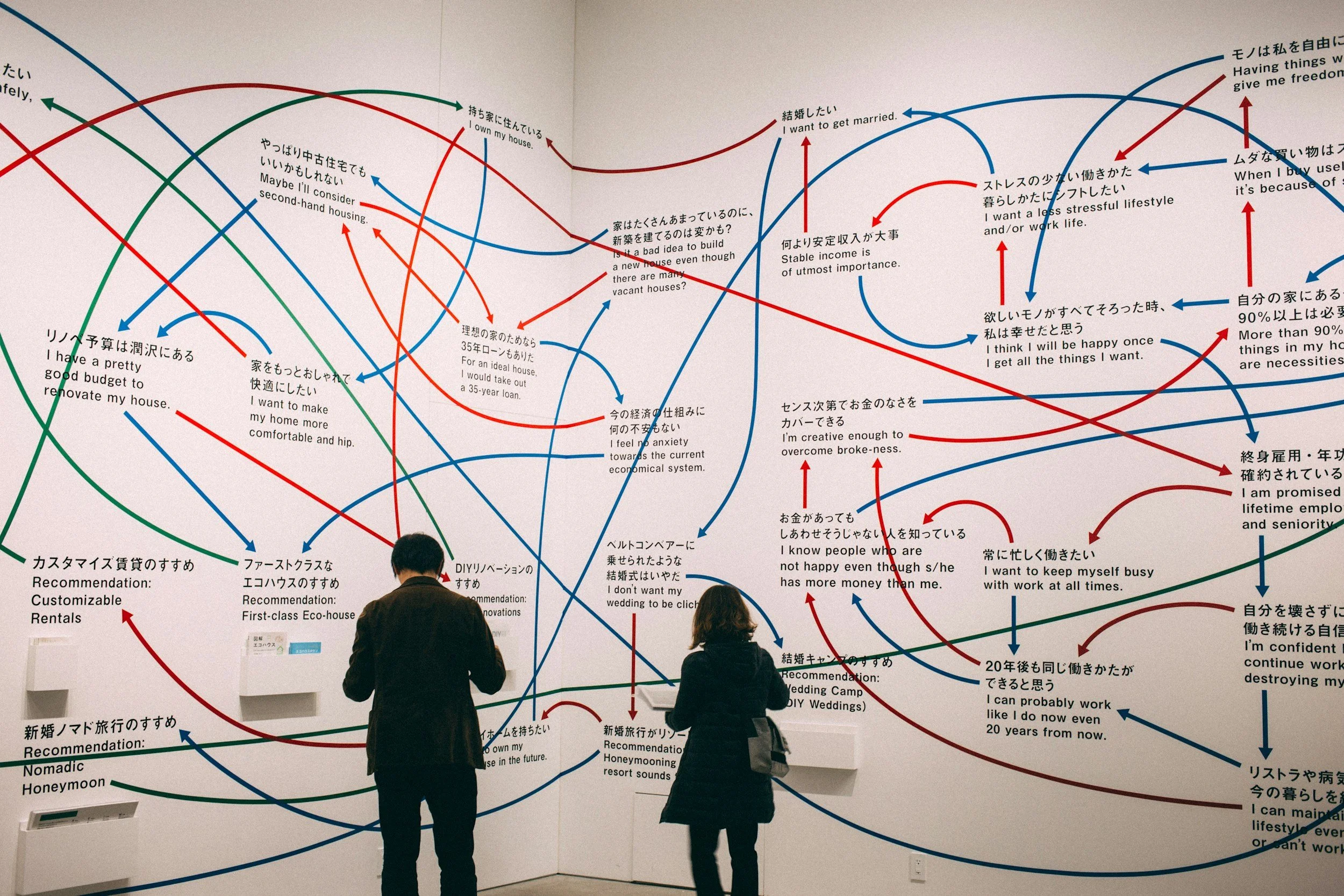
Once a child is identified, the next daily challenge is often note-taking itself. Sitting through a lesson while trying to read, listen, and write at the same time is exhausting for a dyslexic brain that naturally thinks in pictures rather than words. ivvi solves this with real-time "Speech-to-Map" technology: as a lecture or lesson is recorded, ivvi transcribes it and simultaneously builds a live, editable mind map of keywords and concepts, so a child can stay present in the room instead of racing to keep up on paper.
ivvi is officially approved for the UK's Disabled Students' Allowance and won a BETT Award for Distinction and Innovation — recognised specifically as the first real-time voice-to-mind-map tool built for dyslexic and ADHD learners. It grew out of a genuinely personal story: founder Darius Namdaran built the underlying mind-mapping method to help his own daughter, who is dyslexic, get through her notes and ultimately university.
Best for: reducing the exhaustion of live note-taking, and giving visual thinkers a format that actually matches how they process information.

3. ReadSpeaker — for accessing any content, independently
Reading remains the default format for almost everything in school — textbooks, assignments, STEM problems, even exam papers. ReadSpeaker removes reading as the bottleneck by turning any digital text into natural-sounding speech, with text highlighted in sync as it's read aloud. Reading speed, voice, font size, and highlighting are all adjustable, and it works everywhere a student needs it: websites, PDFs, e-books, assessments, and directly inside most school learning platforms.
With over two decades in accessibility technology and more than 10,000 education deployments across 70 countries, ReadSpeaker is about as established as this category gets — proof that "read it to me" is one of the single most effective accommodations a dyslexic student can have.
Best for: everyday independence — homework, revision, and exams, without needing someone else to read it aloud.

4. Loujo — for actually remembering it afterwards
Here's the gap the first three tools don't cover: even once a child can access and process a lesson, dyslexic learners often still struggle to retain it — because traditional revision (reading it again, writing it out again) leans on exactly the skill that's hardest for them. Loujo takes a different route entirely: turn the lesson into a song.
Parents and teachers enter any topic, and Loujo's AI generates a curriculum-aligned educational song around it, in whichever style or genre the child actually enjoys — paired with a quiz to check what's stuck. It sounds playful, but the results are real: in a 33-school trial, pupils using song-based learning showed 30% higher content retention than standard text-based revision. Loujo is already live in schools across the UK, South Africa, and Namibia, and — like Talamo — was born from lived experience: founder Alex Molokwu was diagnosed dyslexic while studying neuroscience, and built Loujo after watching his young niece go through the same struggle with traditional teaching.
Best for: the part every parent worries about most — making sure it actually sticks, not just gets through the school day.
Putting it together
None of these four tools do the same job, which is exactly why they're worth knowing about as a set, not picking just one:
Term hasn't started yet — there's still time to get at least one of these in place before the first week back.
This post reflects publicly available information about each product as of August 2026. Always check directly with providers for current features, pricing, and school eligibility.
Loujo platform creating educational songs for dyslexic learners.