
Back to School with Dyslexia: 5 Things Every Parent Should Know This Term
As the new academic year kicks off, the initial buzz of clean shoes and fresh stationery starts to give way to the daily reality of school life. For parents of dyslexic children, September often brings a unique mix of hope and anxiety. A new class means new routines, higher expectations, and often a whole new team of teachers who don't yet know how your child’s brilliant mind works.

Dyslexia isn't a barrier to capability—it’s simply a different processing system. To help your child navigate the autumn term with confidence, here is what you need to keep on your radar right now.
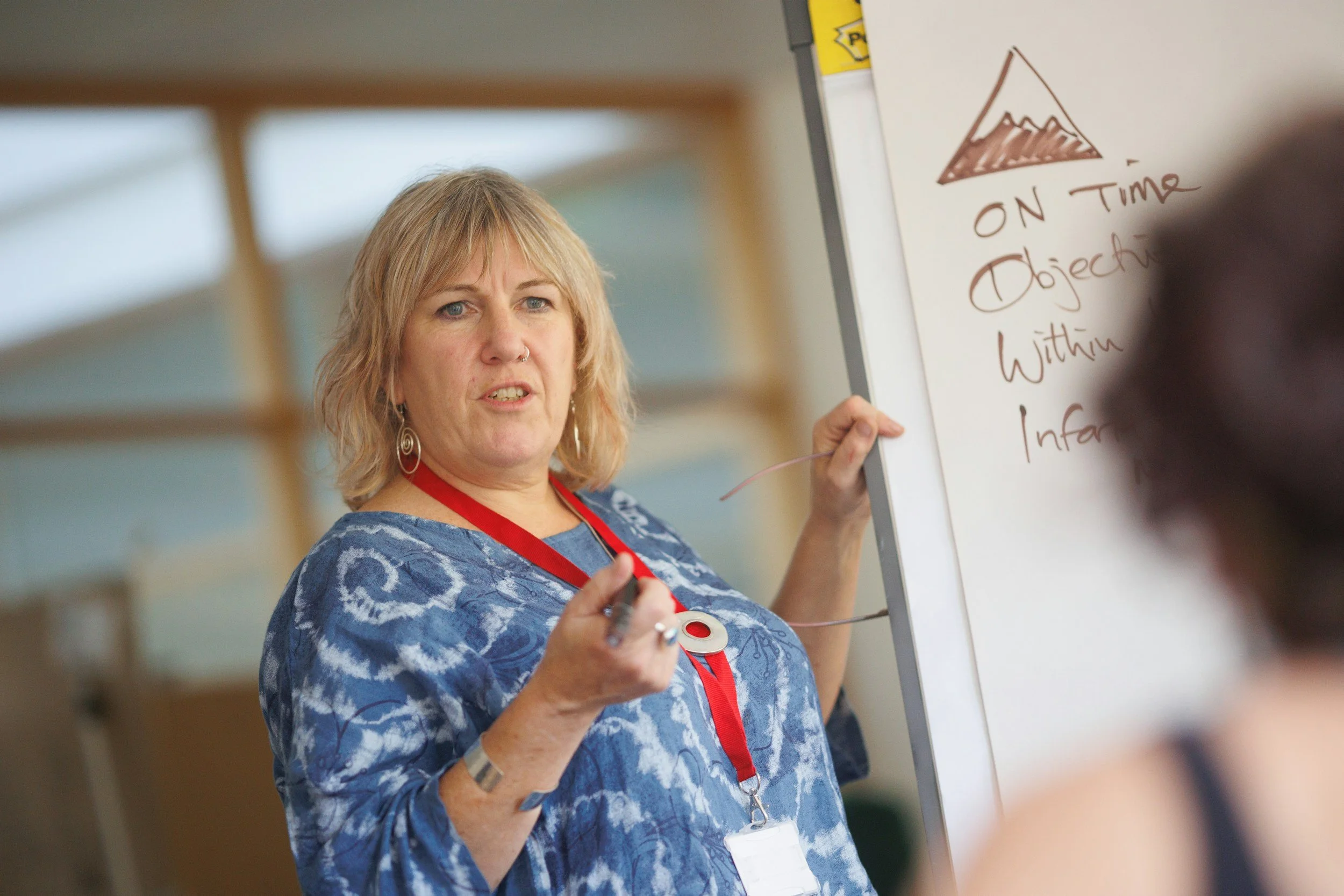
1. Reset the Dynamic Early with the SENCo and Class Teacher
Don't wait for parent-teacher evenings in November or for a problem to arise. The first few weeks of term are the ideal window to establish a proactive partnership with your child's teacher and the Special Educational Needs Coordinator (SENCo).
Share a "One-Page Profile": Create a quick, bulleted cheat sheet for your child's new teachers. Include their core strengths (e.g. strong visual spatial awareness, creative problem-solving, verbal reasoning), what they find tricky (e.g. multi-step oral instructions, copying off the board, reading aloud), and what accommodations work best (e.g. coloured overlays, extra processing time, visual aids).
Confirm Accommodations: Ask how your child’s specific reasonable adjustments are being communicated to subject teachers—especially in secondary school, where children rotate through multiple classrooms.

2. Protect Energy Levels (Watch Out for the "4 PM Collapse")
Dyslexic children work significantly harder than their neurotypical peers throughout the school day. While another pupil might effortlessly skim a worksheet, a dyslexic child is actively decoding letters, managing working memory load, and handling executive function challenges simultaneously.
By the time the final bell rings, many children experience what parents call the "4 PM meltdown" or cognitive fatigue.
Build in Unwind Time: Give your child 30–40 minutes of zero-demand downtime after school before tackling homework or evening activities.
Prioritise Rest: Sensory and mental overload can disrupt sleep. Keep evening routines calm and predictable.

3. Rethink Homework & Use Assistive Tech Early
Homework can easily become a daily friction point. Establishing healthy boundaries around home learning early in the term prevents burnout later.
Set Time Limits, Not Task Limits: Agree with your child’s teacher on a strict time limit for homework (e.g. 20 minutes max). If the task isn't finished, write a brief note in their planner: "Worked with focus for 20 minutes, stopped here."
Embrace Multisensory & Digital Tools: Text-to-speech software, screen readers, dictation (speech-to-text), and visual learning tools—like educational songs, mind maps, and interactive diagrams—allow children to learn and demonstrate knowledge at their true cognitive level without getting stuck on decoding text.

4. Mark Dyslexia Awareness Week on Your Calendar
Dyslexia Awareness Week takes place every autumn (5–11 October). This is a fantastic opportunity to celebrate neurodiversity both at home and at school.
Use this week to focus on the dyslexic superpower tax: big-picture thinking, empathy, storytelling, design, and lateral problem-solving. Remind your child that some of the world’s most successful innovators, entrepreneurs, and artists think in the exact same way they do.
5. Be Your Child’s Executive Function & Emotional Anchor
Academic confidence in dyslexic children is fragile, especially when starting a new year group with higher reading and writing demands.
Focus on Effort and Strategy, Not Output: Praise their persistence, strategic thinking, and resilience rather than spelling test scores or reading speed.
Scaffold Organisation: Help them build simple visual routines at home—like color-coded timetable checklists for packing their bag—so they aren't exhausting their mental energy on logistics before they even arrive at school.
The Bottom Line
Your child doesn't need to fit into a one-size-fits-all educational box to thrive. By setting clear expectations with the school early, utilising multisensory tools, and protecting their confidence, you can make this academic year their most empowering one yet.